Why Starting an Elimination Diet is So Hard (And How I Finally Did It Anyway)
There’s a particular kind of desperation that hits when you’ve tried everything and still feel awful after every single meal. In 2020, shortly after the COVID pandemic started ramping up, I remember feeling like: if I don’t find something that helps me feel more like a normal human being, I am going to lose it.
So I was desperate. I wanted to find what it was that I was doing that could be affecting my health, something I was eating or doing that was making me feel bloated, dizzy, and tired after every meal. That was the moment I knew that starting an elimination diet was going to be my next step, whether I felt ready for it or not.
I had most recently cut out alcohol because even the smallest sip of wine made me feel awful, which was new and honestly demoralizing. My body was finding new things to be angry about, and I was starting to feel like I was doing something wrong.
My journey of cutting out foods had started about four years before with gluten, then dairy, then grains. I was already eating paleo. And now, no alcohol either. I needed my next answer, and I was desperately hoping it was the right one this time.
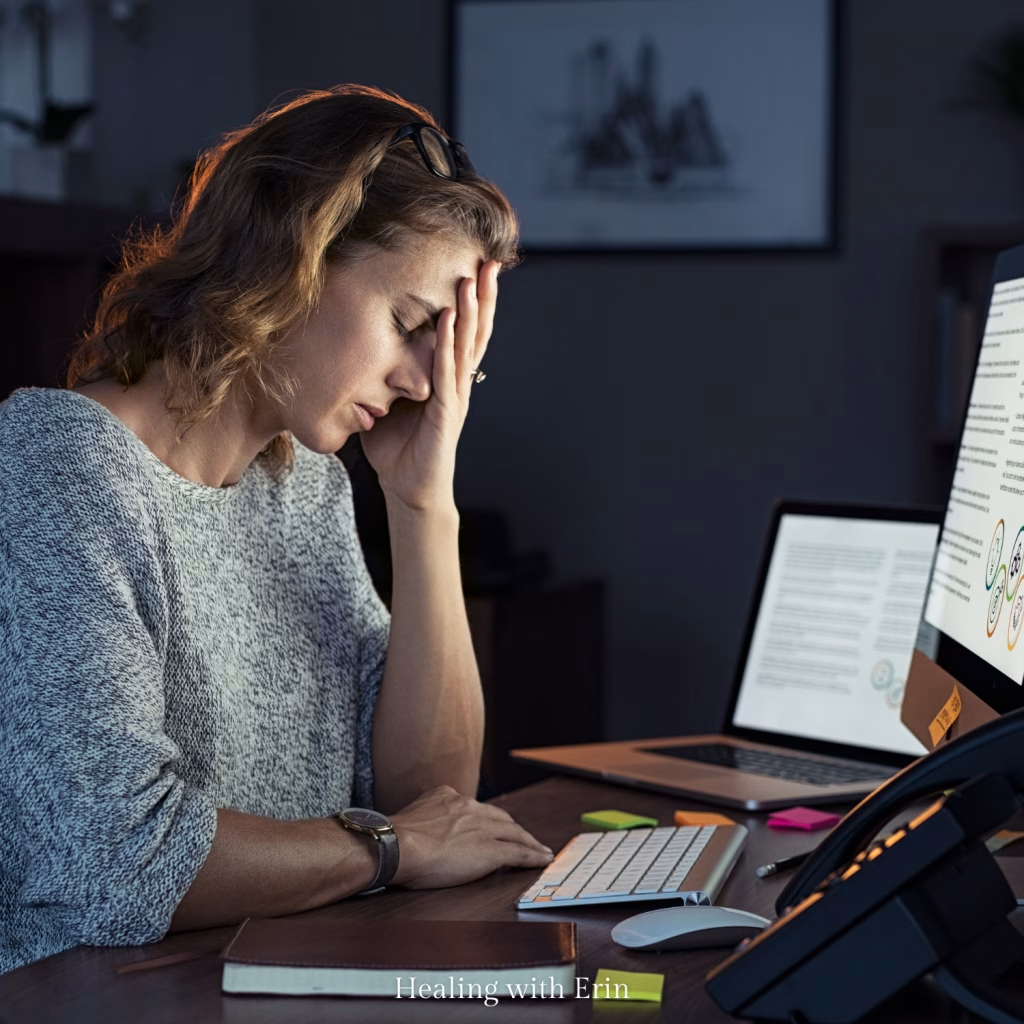
After a week of being in a full research spiral, I came across a specific type of elimination diet called the Autoimmune Protocol, or AIP. It intrigued me immediately. It was science-backed, meaning the foods you eliminate are chosen based on research identifying which ones can trigger an inflammatory response in the body. You cut those foods out for 60 days, then slowly reintroduce them one by one to identify your specific food triggers.
This sounded like exactly the answer I had been looking for. Finally, something designed for people with my exact symptoms and autoimmune disease, with a clear purpose and guidelines to follow. There were doctors, bloggers, and women on YouTube who had done the protocol and come out the other side feeling better. Michele Spring from Thriving Autoimmune had Hashimoto’s Thyroiditis like me and had brought her TSH and TPO numbers down after doing AIP. That was my goal! I felt a flicker of real hope for the first time in a long time.
When Starting an Elimination Diet Feels Impossible
But then came the dread, and overthinking, and second-guessing.
The upside of AIP being a methodical, laid-out protocol also meant that it was strict. You had to follow it carefully, consistently, for 60 full days. And in my mind, if I messed up even once, if I accidentally ate something non-compliant, it would send me all the way back to day one. That thought alone was enough to make me close my laptop and tell myself: I’ll start next week.
And then next week came. And I said it again.
I was scared. My inner voice was saying: Erin, you have to do a good job so we can feel better soon. I want these 60 days to be over already so we can feel healthy again. Don’t mess up. Do it right. Do it as quickly and as accurately as possible to get the best results. My health was on the line. This felt important. And the more important it felt, the more pressure I put on myself, and the harder it became to simply start.

I also convinced myself I needed to be fully prepared first. I needed to have all the right cooking tools. All the special ingredients. A seamless plan. But here’s what I know now that I didn’t know then: there is nothing seamless about this process. Not unless you have a real guide — someone who has been through it and can walk beside you. I had a book, a few bloggers, and a handful of YouTubers. And honestly, it wasn’t enough.
So I kept waiting for the perfect moment to begin, and it never came. What came instead was a Thanksgiving table, and a reminder of exactly what was at stake.
I was living with my in-laws at the time, and eating dinner together was one of the few things that brought us together. We were still getting to know each other, didn’t have a lot in common, and sharing a meal was our common ground. I was already terrified to tell them about AIP — this strange, strict, all-consuming diet that I was about to start. I was scared they would think I was going too far, that maybe I had disordered eating, and that I would ruin the one thing that connected us.
But my health, and wanting to feel the way everyone else around me seemed to feel, was more important. So I told them. And they did tiptoe around me a little. But I also think, underneath it all, they respected my commitment and my willpower.
The Loneliness Nobody Warns You About
And then Thanksgiving came.
That first Thanksgiving on AIP, I cried. Sobbed, actually. Everyone around me was eating my favorite dishes and I sat there with the food I had made for myself, feeling the full weight of what I had taken on. Because food isn’t just fuel. It’s tradition and belonging. It’s the thing that puts everyone around the same table. And for those 60 days, and many days after, I sat at that table feeling like I was on the outside of something everyone else got to be part of.

What Those First Weeks of an Elimination Diet Actually Look Like
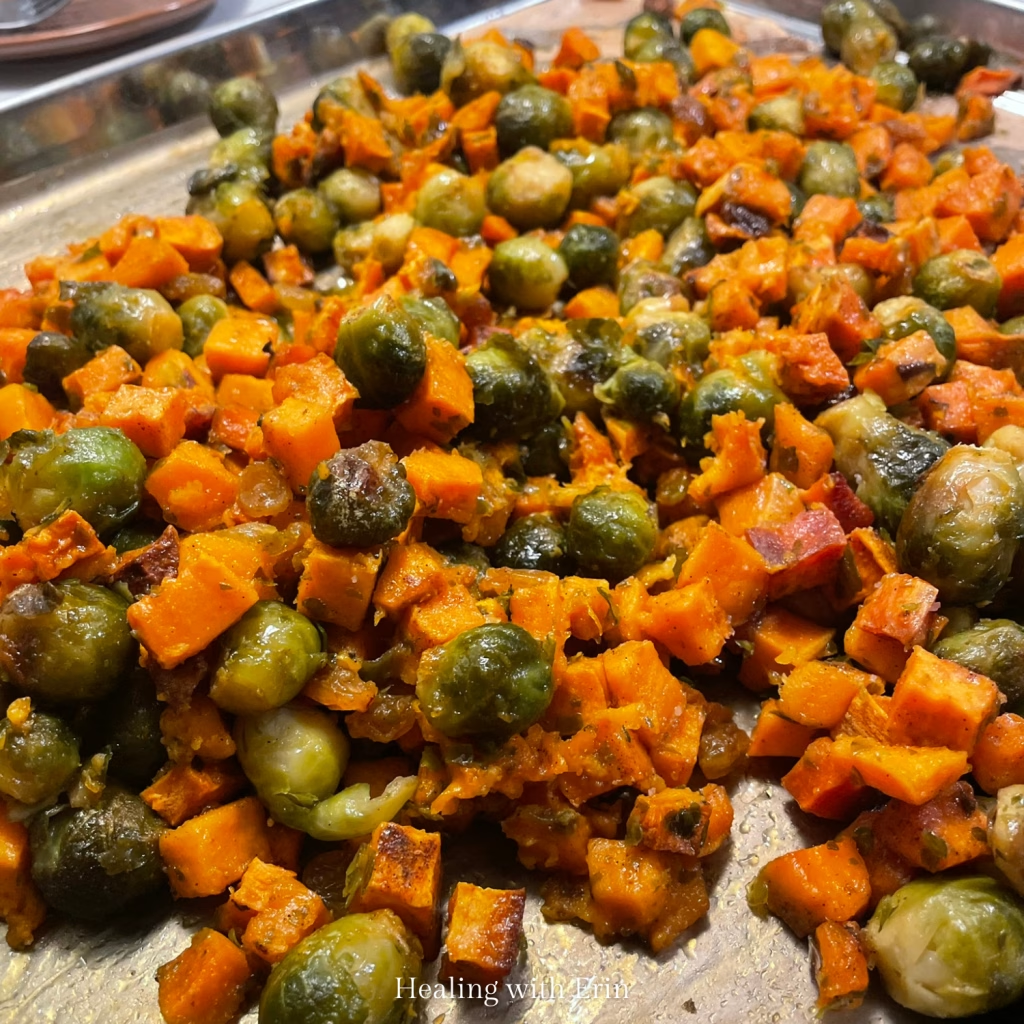
Those early weeks were humbling. Breakfast was bone broth. Lunch was sweet potato and steamed vegetables. Dinner was roasted meat and whatever vegetables we could throw on a sheet tray. Simple, repetitive, and honestly, I don’t think I was getting enough calories or nutrients in those first days. I was just learning, adjusting, and trying my best. The meal prep was a LOT. Without my partner at the time helping me plan our grocery shops, I don’t think I could have done it.
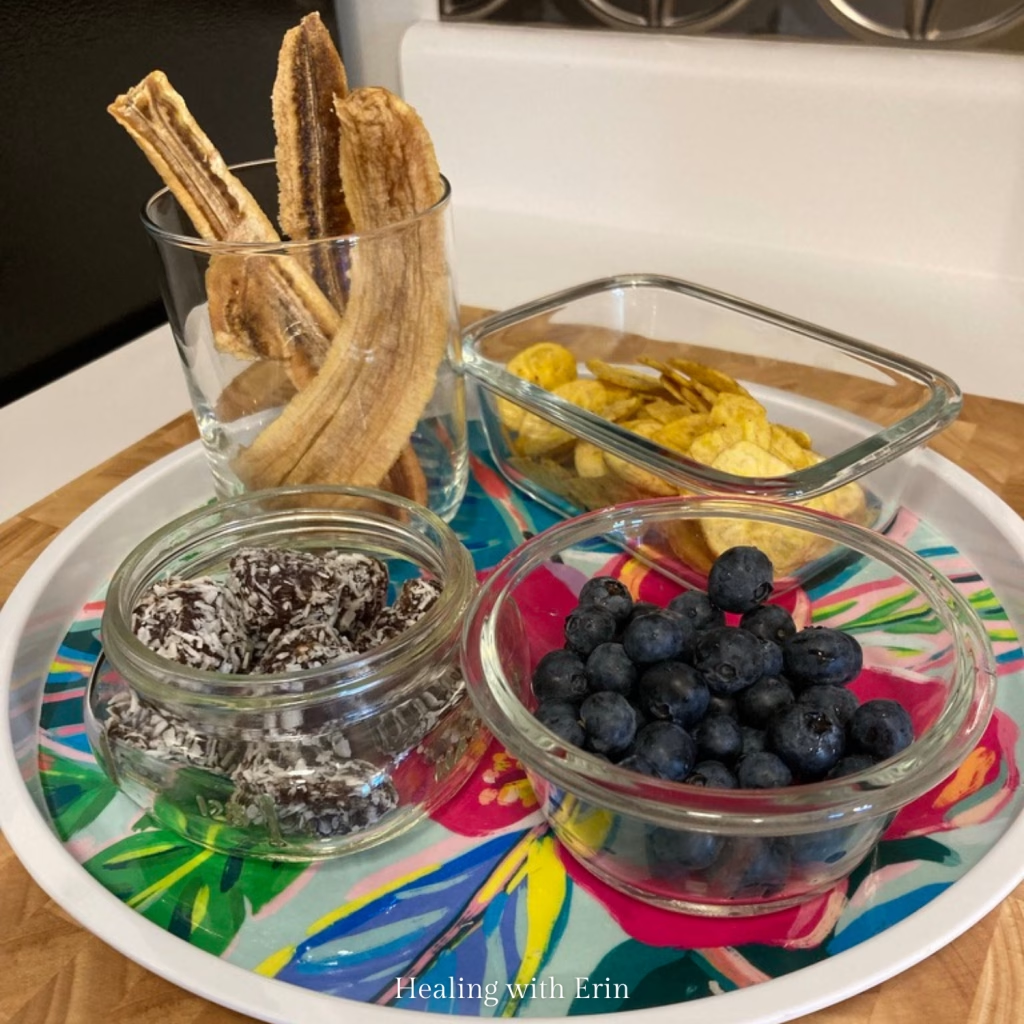
I started leaning into the packaged snacks I could eat: plantain chips, EPIC meat bars, seaweed snacks. They made me feel a little more grounded, a little more normal, and a little less like I was living on the outside of the food world. It was actually kind of fun to hunt for new compliant snacks in those early weeks.
The Mental Load Nobody Talks About
But after a while it felt like everything I was eating was boring and the mental load of it all was so heavy. The planning, the prepping, the label reading, the constant “no I can’t eat that” at every single group meal all wore on me in ways I hadn’t anticipated. I don’t really feel like anybody warned me about that part.
What kept me going was finding recipes that mimicked my favorite pre-AIP meals. These foods felt familiar even when everything about my eating had changed. Those recipes were my lifelines, and honestly, still are.
Why I Finally Started Anyway
And underneath all of it was the reason I had started in the first place, the reason I finally stopped saying “next week” and actually began. I was so sick of feeling awful. Bloated, dizzy, tired after every meal. The fear of doing AIP wrong had been so loud. But eventually, the fear of staying exactly where I was got louder. And that was the moment I started.
If you’re reading this at midnight, deep in a research spiral, wondering if you’re ready, I want you to know something: you probably are. The perfect moment isn’t coming. But you don’t have to figure this out alone like I did. I created my coaching practice for exactly this reason, because I wished I had someone to walk through this with me. If you don’t want to do this alone, I’d love to be that person for you.
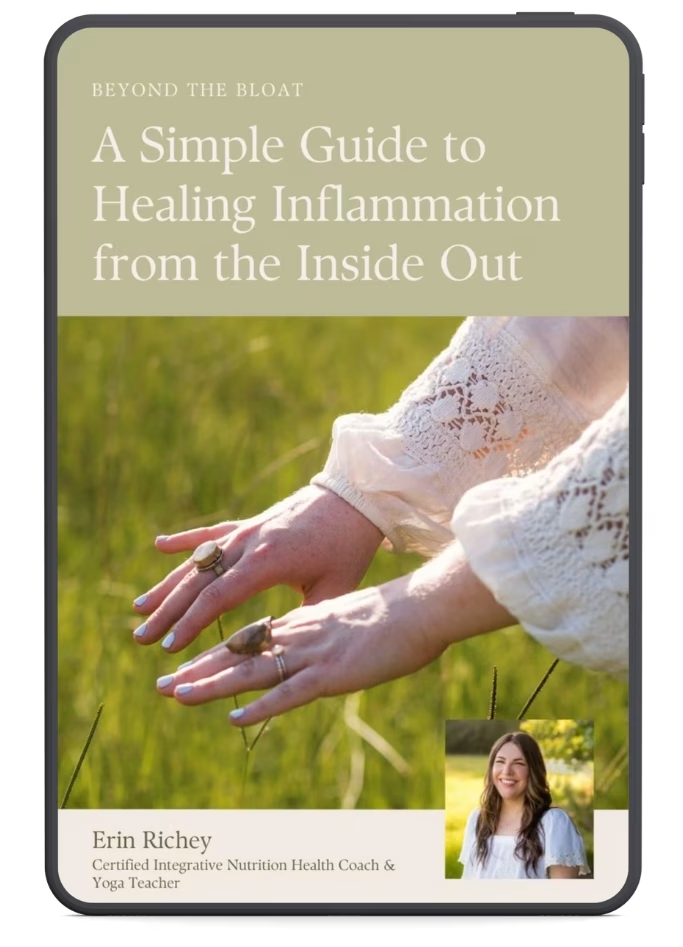
And if you’re not quite ready for coaching yet, start here. I created Beyond the Bloat: A Simple Guide to Healing Inflammation as a free resource for women exactly like you, overwhelmed, determined, and ready to finally feel better.
Grab your free guide here —
Enter your email below to receive your free ebook and let’s start this journey together.
Discover more from Healing with Erin
Subscribe to get the latest posts sent to your email.



Join the List
Stay up to date & receive the latest posts in your inbox.